
Every year our graduating Medical Humanities minors complete a semester-long capstone project.
There are few limits on the shape a capstone can take. Some projects take the form of an academic research paper, some engage with visual media, some focus on public outreach, some are works of poetry and fiction. Students work with the professor leading the capstone cohort and, as needed, with other Medical Humanities and Georgetown faculty to develop, carry out, and complete the crowning achievement of their Medical Humanities minor. We are delighted to share with you here some of our excellent capstones!
Bilquisu Abdullah (CAS ’25)

A Witch Hunt on Women Healers: The Erasure of Black Midwifery in Pittsburgh During the Early Twentieth Century
Personal Bio: Bilquisu Abdullah is a Senior studying Women and Gender Studies with a minor in Medical Humanities. She hopes to work in reproductive and sexual public healthcare.
Project Description: This project honors the legacies of Black female healers and highlights the historical ways in which their roles in society have been minimized. By centering the stories of Black women healers in Pittsburgh, traditional midwifery and resistance to systemic oppression, my project aims to inspire new understandings of community health work in places with drastic Black maternal mortality disparities such as Pittsburgh.
Molly Kenney (CAS ’25)
Converging Crises: Ethical and Ecological Implications of Myxomatosis as a Population Control
Personal Bio: Molly Kenney (they/she) is a senior in the College of Arts and Sciences studying Pre-Veterinary Biology and minoring in Medical Humanities and Classical Studies. Outside of these studies, they are interested in paleobiology as well as the portrayal of medical history through physical and dramatic arts.
Project Description: My project critically examines the use of the myxoma virus to manage invasive European rabbit populations, particularly in Australia, the UK, and Chile. While initially celebrated as a scientific breakthrough for curbing agricultural damage and restoring ecosystems, the virus causes prolonged, painful deaths in rabbits. It has led to unintended ecological consequences, such as predator disruption and viral spillover to pets. Framed through the One Health paradigm, the paper argues that such biocontrol strategies prioritize human interests at the expense of animal welfare and ecosystem stability and advocates for more ethical, non-lethal, and sustainable approaches to managing invasive species.
Anisha Kumar (CAS ’26)

Low Metabolic Capacity, High Metabolic Load: Polycystic Ovary Syndrome (PCOS) in the Global South Asian and Indigenous Australian Populations
Personal Bio: Anisha Kumar is a junior in the College majoring in Neurobiology and minoring in Medical Humanities. She works as a medical assistant at a dermatology clinic in Virginia and will continue to do so next year. After graduation, she plans to apply to medical school.
Project Description: This project aims to explore possible evolutionary explanations for the development of Polycystic Ovary Syndrome (PCOS) in particular groups, particularly through the context of historical starvation and resulting low lean mass in these populations. The two main groups explored in this project are the global South Asian population and the indigenous Australian population, both of which are known to have high rates of PCOS. I argue that the low metabolic capacity, high metabolic load model used to understand why populations of the world have high diabetes prevalence, which includes South Asians and indigenous Australians, should be extended to understanding rising PCOS rates.
Amber Mickelson (CAS ’25)

Messages and Mass Shootings: Race, Age, and Mental Illness in Media Coverage of Gun Violence
Personal Bio: Amber Mickelson is a senior in the College majoring in Neurobiology with a minor in Medical Humanities. Outside of the classroom, she studies Dengue and Zika virus with the Department of Microbiology and Immunology. In her free time, she grills burgers with the Georgetown University Grilling Society. Amber will be attending the Georgetown University School of Medicine starting this fall.
Project Description: Physicians and healthcare workers are on the forefront of calling for the recognition of gun violence as a public health crisis. Media coverage of mass shootings is known to considerably shape public opinion of mental illness through what is called agenda setting theory, which argues that the messages the public receives through mass media shapes beliefs and attitudes towards particular events or issues. I examine how factors such as mental illness, race, age, and political leaning of a newspaper intersect to inform discussions surrounding gun violence. My analysis revealed new findings on how the demographics of the shooter and political leaning of the news source influence messages sent to readers concerning mass shooters and mental health.
Betsy Regan (CAS ’25)

From Buck v. Bell to ‘Newgenics’: Disability, Reproduction, and the Legacy of Eugenics
Personal Bio: Betsy Regan is a senior in the College from Lake Forest, Illinois, majoring in Psychology with minors in Disability Studies and Medical Humanities
Project Description: The project explores the lasting impact of the 1927 Supreme Court decision that upheld the forced sterilization of those deemed “unfit” to reproduce. The project argues that contemporary reproductive technologies and genetic screening continue to reflect the same discriminatory values that shaped early 20th-century eugenics.
Chloe Scrimgeour (CAS ’25)
Improving Health Literacy for New Parents: We Can Do Better!
Personal Bio: Chloe Scrimgeour, a psychology major and medical humanities minor with a strong interest in public health, health communication, and how creative approaches can help bridge gaps in understanding. I’m especially passionate about maternal and child health, and how something as simple as how we share information can impact real lives. I’m also on the cross country and track team at Georgetown.
Personal Description: My project explores how health literacy, especially among new parents, affects outcomes like breastfeeding and maternal health, with a focus on the Southern and Midwestern U.S. I’m looking at how plain language and creative tools like murals, storytelling, and theater can be used to share health information more effectively. The goal is to propose community-centered strategies that are inclusive, accessible, and culturally relevant.
Nidhi Somineni (CAS ’25)
“A time bomb ticking”: The multimodal metaphor in Marlon Riggs’ Tongues Untied
Personal Bio: Nidhi Somineni is a fourth-year undergraduate student in the Georgetown College of Arts and Sciences majoring in Linguistics with minors in Medical Humanities and Anthropology. She is a sociolinguist interested in identity construction, narrative, and metaphor. Her research focuses on social constructions of health and health communication, language documentation and revitalization, and social media discourse.
Project Description: This paper applies Forceville’s (2009, 2024) framework of the multimodal metaphor to the video essay experimental documentary film Tongues Untied (1989). Directed, produced, and narrated by Marlon Riggs, a Black gay filmmaker and activist, the film focuses on the shame that silences the Black queer community, specifically during the HIV/AIDS epidemic in the 1980s. The two multimodal metaphors discussed in this paper are AIDS as a weapon and AIDS as slavery.
Emily Taylor (CAS ’25)

Quickening Control: Abortion Practices in The Pre-Modern United States, 1740-1880
Personal Bio: As a Biology of Global Health major and Medical Humanities minor, I am eager to provide patient-centered care as a future health professional. My research interests lie in quality of life considerations, oncology, and the history of medicine. My time in the Medical Humanities program has granted me a broader lens and deeper appreciation of caring for others that I am excited to take with me as I leave Georgetown and plan to attend Physician Assistant school.
Project Description: My project traces the rise of modern medicine and the fall of female autonomy as gender roles shifted between 1740 and 1880. Specifically, it examines newspaper sources to illuminate public perception on abortion throughout time. Altogether, my project demonstrates that men in power throughout the nineteenth century exercised reproductive control over women, altering who could obtain abortions, who administered them, and how the public accepted them.
Jaskeerat Kaur Thakral (CAS ’25)

Epidemic Psychology: Risk Perception, Intolerance of Uncertainty, and Cultural Dimensions of Psychological Distress During COVID-19
Personal Bio: Jaskeerat Kaur Thakral is an undergraduate senior in Georgetown’s College of Arts and Sciences. She is currently pursuing a Bachelor of Science in Biology on the pre-med track, with minors in Medical Humanities and Science, Technology, and International Affairs. Hailing from Bangkok, Thailand, Jaskee is interested in a global perspective in healthcare and medicine, and hopes to further explore the liminal space between interdisciplinary fields like anthropology, psychology, international relations, and medicine. These interdisciplinary global health interests led to Thakral’s independent research into the field of epidemic psychology, most recently culminating in a project investigating the sociocultural influences of psychological responses to the COVID-19 pandemic in India, which was published in an IGI Global journal in February 2024.
Project Description: This capstone project explores how psychological distress emerged and spread during the COVID-19 pandemic, focusing on the roles of risk perception, intolerance of uncertainty, and cultural values. Using Philip Strong’s model of epidemic psychology as a foundation, the project analyzes how fear, panic, and stigma became widespread social responses—not just individual ones. It also investigates how different cultural contexts, particularly Japan’s collectivism and high uncertainty avoidance, shaped both emotional reactions and public behavior. By combining psychological theory with global and cultural analysis, this research highlights the importance of designing public health and mental health strategies that are culturally informed and psychologically responsive in times of crisis.
Nancy Britten (CAS’ 26)
Recipe Networks: An Audio and Visual Exploration of Women’s Medical Knowledge in Early Modern British Manuscripts
Personal Bio: I am a third-year undergraduate history student from the University of Edinburgh, currently undertaking an exchange year here at Georgetown University, where I have been studying as a junior in the CAS since August. This semester I took the medical humanities senior capstone class as a way of further exploring my interest in medical history.
Project Description: This project, in the form of a six-part podcast series examining the role of women in seventeenth-century British medicine, focuses on their medical writings, household healing practices, and the dissemination of medical knowledge through recipe books. Through discussions with historians and academics in the field, complemented by digitised primary sources, I explore how women documented, adapted, and transmitted medical information within domestic and social networks, positioning them as active contributors to medical knowledge production.
This project contributes to scholarship in gender history, medical humanities, and food history, highlighting the domestic sphere as a site of medical knowledge production and challenging conventional narratives about the history of medicine.
Kayla Glynn (CAS’ 26)
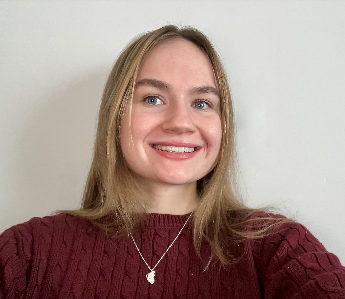
Gladys Tantaquidgeon and Her Legacy
Personal Bio: My name is Kayla Glynn, and I am a junior in the College of Arts and Sciences studying mathematics and minoring in biology. I am interested in traditional Native American medicine and ecology. After college, I plan on working in the banking industry!
Project Description: My project is about Dr. Gladys Iola Tantaquidgeon, a Mohegan Nanu, or medicine woman. Throughout her life, Gladys fought for the preservation of traditional Mohegan healing practices. She studied Anthropology and Ethnobotany at the University of Pennsylvania and published a research paper on the medicinal practices of different northeastern Algonkian tribes. Her work revolutionized Mohegan medicine and introduced matriarchal Native healing into academic discourse.
Taylor Crosland (SOH ’25)

An Archival Study of the Slave Narratives Collection and African American Herbal Treatments
Personal Bio: Taylor Crosland (she/her) is a senior at Georgetown University’s School of Health, majoring in Human Science with a minor in Medical Humanities. She plans to pursue an MD and MPH to combine her passions for public health research and patient-centered care. In her free time, Taylor enjoys reading, writing fiction, and listening to podcasts.
Project Description: The Slave Narratives Collection was established as part of the Federal Writers’ Project and was active from 1936 to 1938. Twenty-four states participated, resulting in approximately 2,900 first-person accounts of slavery and 500 photographs of formerly enslaved individuals. These transcripts include detailed descriptions of the interviewees’ physical appearances, family histories, education, income, occupations, political views, religious beliefs, and more. This study aims to examine the narratives of these African Americans to better understand their herbal treatments from the late 19th century. Additionally, it will explore the biological relevance of these herbs and how they are currently being utilized in modern medicine and scientific research.
Urooj Ahmed (CAS ’24)
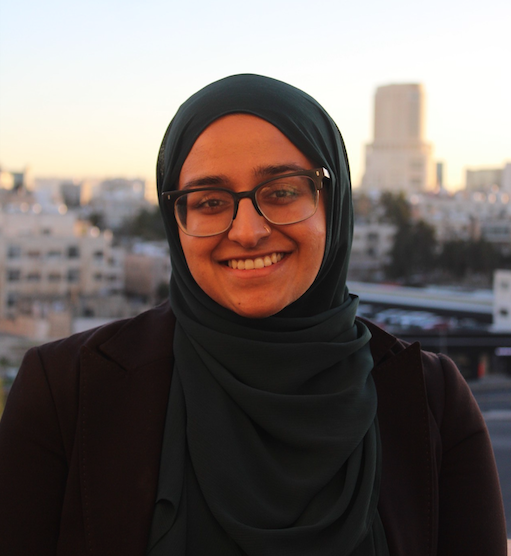
From Statistics to Stories: Humanizing Medical Narratives in War-Affected Gaza through U.S. Popular Press Analysis
Personal Bio: Urooj Ahmed is a senior in the College majoring in Biology of Global Health and minoring in Medical Humanities with a special interest in promoting health equity and justice for marginalized communities. Following graduation, she plans to work as a dental assistant before enrolling in dental school.
Project Description: This project aims to humanize the medical narratives emerging from war-affected Gaza by analyzing how news outlets portray personal narratives beyond statistics. Through a literature review and a series of three case studies ranging from October 2023 to April 2024, the project seeks to explore the impact of media representation on perceptions of healthcare necessities in war zones, ultimately aiming to counteract the dehumanization in coverage of the war on Gaza.

Alexandra Alkhayer (CAS’24)
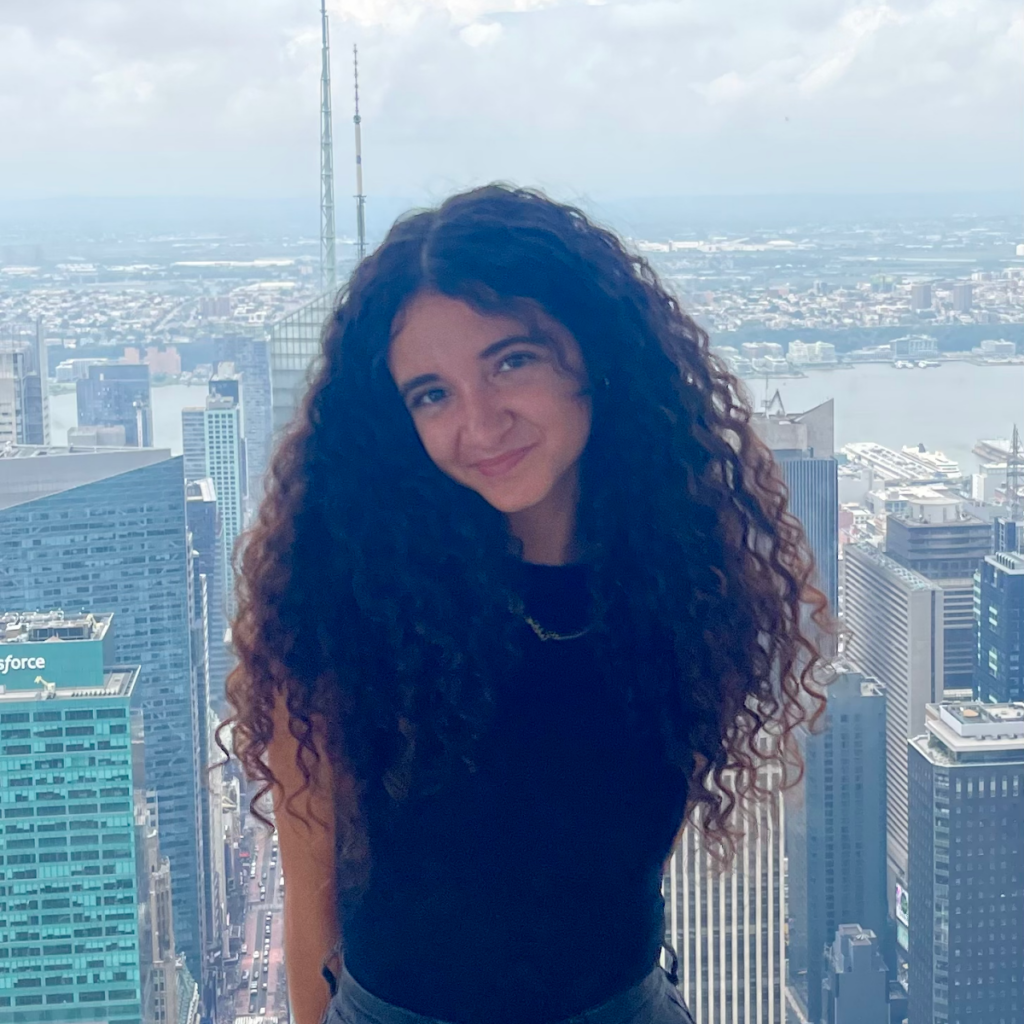
Arab Racial Classification and Chicagoland’s COVID-19 Crisis
Personal Bio: Alexandra Alkhayer is a senior in Georgetown University’s College of Arts and Sciences. She is on the pre-medical track with a major in Government and minors in Medical Humanities and Biology. During her gap year, she plans to work as a medical assistant while applying to medical school.
Personal Description: This project explores how the absence of an Arab ethnic/racial category in the U.S. impacted the Chicagoland Arab population’s knowledge of COVID-19, access to COVID-19 resources, and COVID-19 health outcomes. Through interviews with leaders of the local Arab American Action Network (AAAN), I will examine how this organization’s consideration of Arabs as distinct from their current ‘non-Hispanic white’ status positively impacted Arabs’ healthcare experience. I will also investigate the AAAN’s successful advocacy for a Middle Eastern or North African category on government forms.
Alaina Anderson (SOH’24)
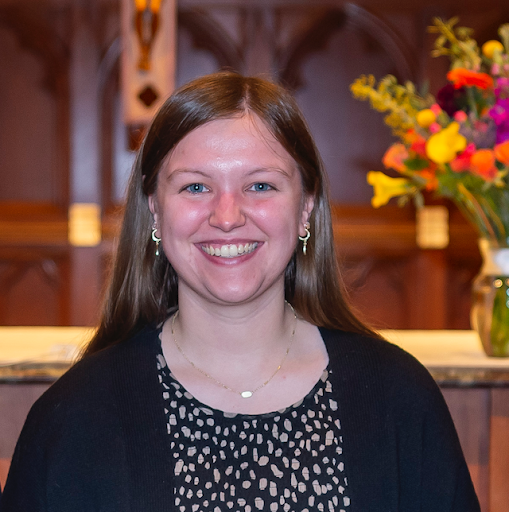
Grain, Rats, and Plague: Global Commodity Flows and the Transoceanic Spread of Y. Pestis, 1894-1904
Personal Bio: Alaina Anderson is a current senior in the Georgetown School of Health majoring in Global Health with a minor in Medical Humanities. Following graduation in May, she will start medical school in the fall.
Personal Description: This capstone project surveys contraceptive and abortion print advertising in the United States from 1965 to 1975 across six different newspapers (3 general newspapers and 3 African American newspapers). Themes identified across the two sets were compared including the type of service advertised, information included in the advertisement, and the length of the advertisement.

Lilly Berry (CAS’24)
Healing Art: The Impact of Artwork on Individual Well-being in a Hospital Environment
Personal Bio: Lilly Berry is a current senior in Georgetown College majoring in Psychology and minoring in Medical Humanities on the Pre-Med track. She plans to continue her studies at McDonough School of Business in the Master in Management program to combine her interest in healthcare studies with the administrative component. In her free time, she loves to travel and revel in various cultural experiences.
Personal Description: This study is dedicated to exploring the impact of artwork in hospital spaces on the well-being by analyzing questionnaire results from the patients and staff on the fifth-floor outpatient psychiatric unit at MedStar Georgetown University Hospital. It aims to identify effective artistic components and themes, culminating in an academic thesis emphasizing the role of medical humanities in fostering well-being through art. We hope that our research can inspire more healthcare institutions to create healing environments through the strategic use of art in order to prioritize the well-being of individuals.
Tessa Block (CAS’25)
The Need to Emphasize Cultural Competency for End of Life Care in Medical Curricula
Personal Bio: Tessa Block is a current junior in Georgetown University’s College of Arts and Sciences. After graduating next fall with a major in Biochemistry and a minor in the Medical Humanities, she plans to continue to work for her research lab on Georgetown’s Medical Campus and study for the LSAT.
Personal Description: This capstone project explores current gaps in cultural competency within mortality education by analyzing published literature and medical school course offerings. It aims to contextualize and argue for the necessity of increased cultural competence to ensure that both medical students and patients feel that physicians are equipped with the skills necessary to provide every person with what they themselves would deem a “good” and respectable death.
Hank Butehorn (CAS’24)
Comparing the “Spanish Flu” and the COVID-19 Pandemics: Lessons Learned and Forgotten
Personal Bio: Henry “Hank” Butehorn is a graduating senior majoring in History and minoring in medical humanities. He is also on the pre-med track and is currently applying to medical schools, hoping to attend MUSC in Charleston, South Carolina after graduation.
Personal Description: This capstone examines the similarities and differences between the two largest pandemics of the modern age. This research paper aims to uncover why the so-called Spanish flu is often considered a “forgotten pandemic”, and if COVID-19 is destined to have a similar fate. This paper also tracks societal changes and developments in the wake of both diseases, while attempting to grapple with medical inequities present in both time periods.
Ella Castanier (CAS’24)
“Checking the Monster Scourge”: Black Healthcare Workers During the 1918 Influenza Pandemic in Philadelphia & Baltimore
Personal Bio: Ella is a graduating senior studying history and medical humanities. She is currently writing an honors thesis on the intellectual history of Black psychiatry in the United States and plans to eventually pursue graduate study in the history of medicine.
Personal Description: My capstone is a historical research project that focuses on the experiences of Black physicians and nurses in the United States during the 1918 influenza pandemic. I argue that the pandemic exacerbated frustrations with medical segregation while also providing temporary opportunities for change, which paralleled the experiences of Black veterans returning from WWI.

Sabreen Mohammed (SOH’24)
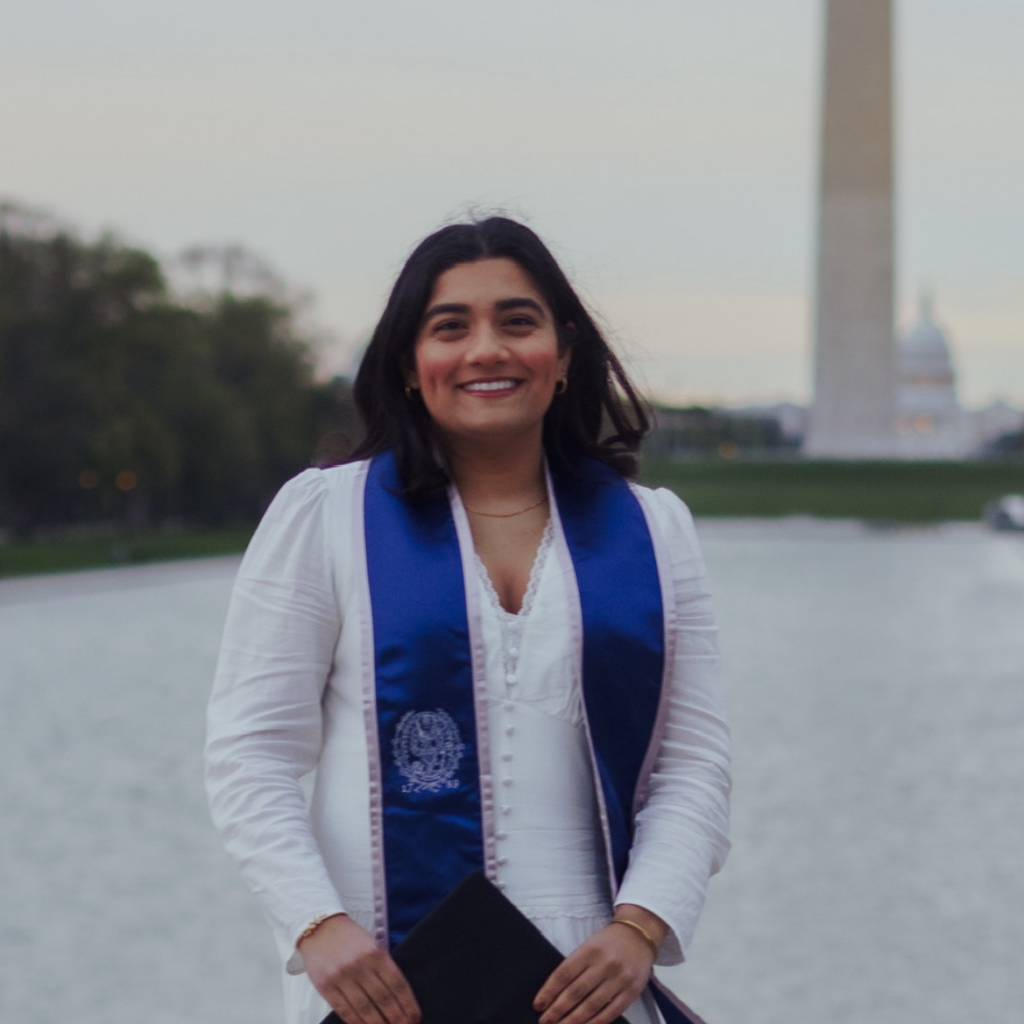
Food Insecurity in D.C. Through a New Lens: A Short Documentary to Combat Stigmas Against Asking for Help
Personal Bio: Sabreen is a graduating senior studying global health and medical humanities on the pre-med track. During her gap year, she hopes to pursue clinical research. Outside of academics, she is an EMT at Georgetown, loves to bake, and enjoys taking photos.
Personal Description: My capstone project is meant to be a short documentary capturing the burden of food insecurity across the District of Columbia and how various stakeholders contribute to its persistence. I hope to showcase different perspectives to ultimately help combat the stigma against food insecure people in the city and to uncover multiple stories through a photographic lens.food-insecure. Addressing stigma in food insecurity starts with building a cohesive story about personal experiences, scholarly opinions, and facts about the food system. One person out of every three in the District of Columbia struggles with some type of food insecurity. Unlike many films, this documentary is aimed at combating preconceived notions about a lack of food to humanize those struggling. Learn about the volunteer system in food distribution within charities/organizations across the nation’s capital, experts in the field of social work, and people who seek food services.

Julie Nguyen (SOH’24)
The Diseased Landscapes of Early Britain: Infection, Conquest, Migration, and Disability in the First Millennium, CE
Personal Bio: Julie is a senior majoring in Human Science in the School of Health with a minor in Medical Humanities on the pre-med track. Following graduation in May, Julie will be working as a Medical Tech at Pediatric Care Center.
Personal Description: My capstone project focuses on the phrase “playing God” and how it has made its way into medical aid in dying conversations. I first present a short history of the phrase “playing God” and then discuss how physicians may be obligated to “play God,” how they may not be “playing God” in the context of medical aid in dying, and the importance of recentering patients in this conversation. My project delves into the ethical, moral, and philosophical dimensions of Medical Aid in Dying (MAID). By critically examining the use of the phrase “playing God,” specifically in context of revolutionary scientific discovery, I explore the responsibilities and boundaries of physicians in end-of-life care. The research highlights the importance of patient autonomy, arguing that the decision to pursue MAID should rest with the patient rather than the physician. The project highlights the complexity of suffering, which encompasses physical, psychological, social, and spiritual aspects, particularly in the context of terminal illness. In doing so, the patient is placed back at the center of focus. Additionally, the study addresses the ethical dilemmas faced by healthcare providers and the influence of social, familial, and medical advice on patient decisions. Overall, my project provides a comprehensive understanding of MAID, advocating for a patient-centered approach that respects individual choices and dignity at the end of life.

Payton Parris (CAS’24)
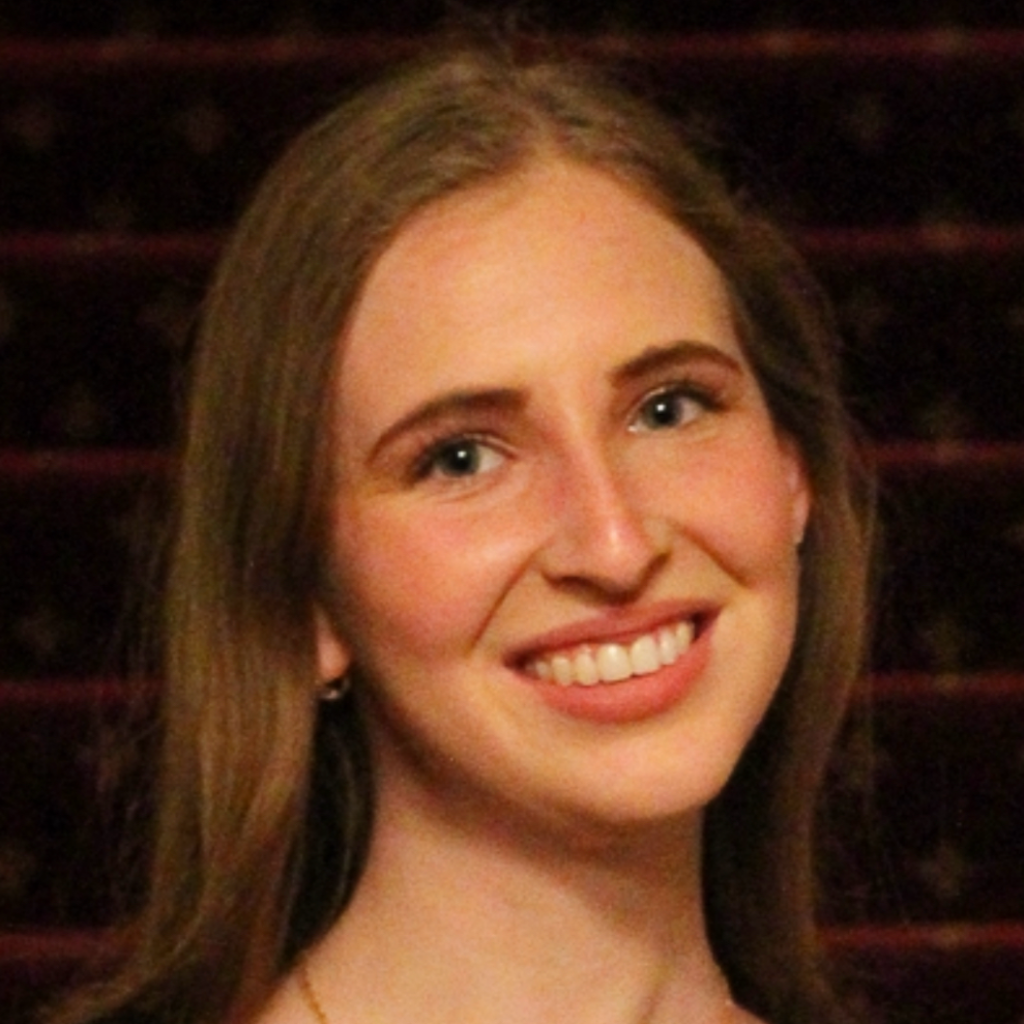
Do Medical Humanities Programs Elevate Cultural Awareness and Empathy?
Personal Bio: Payton Parris is a current senior majoring in Biology of Global Health and minoring in Medical Humanities. During her gap year, Payton will work as a medical assistant at Advanced Dermatology and Cosmetic Surgery while applying to PA school. In her free time, Payton enjoys traveling, playing with her pets, and volunteering as an EMT at Georgetown and back home in Maryland.
Personal Description: This study focuses on auditing Georgetown’s Medical Humanities Initiative and its role in promoting cultural awareness and empathy among its students. By surveying and interviewing students involved with the Initiative, I hope to understand the broader implications of incorporating the Medical Humanities into a well-rounded pre-health education.
Angelette Pham (CAS’24)
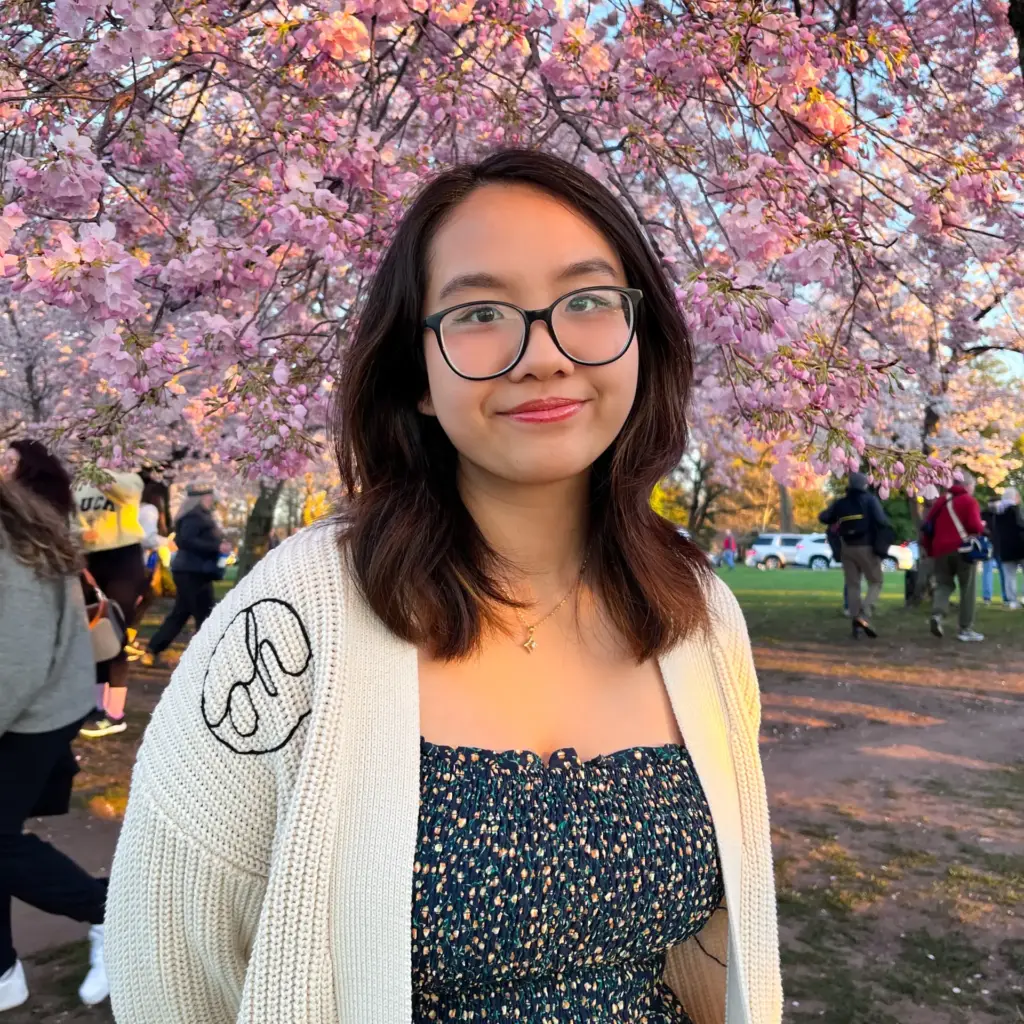
Review of Systems: Exploring the Vietnamese and Vietnamese American Female Body From Post-War to Diaspora through Poetry
Personal Bio: Angelette Pham is a program assistant for the Medical Humanities Initiative and a current senior from Falls Church, VA studying Biochemistry and Medical Humanities on the pre-med track with a passion for narrative medicine and Asian American stories. After graduation, they will be working as a full-time medical assistant at a local dermatology clinic while applying for medical school.
Personal Description: Vietnam’s history has matrilineal origins that were then complicated by a legacy of foreign invasion, occupation, war, and, prevalent most recently, diaspora, introducing a modge podge of contradicting views on its women and making them a focal point for many Vietnamese literary works. While anatomy is commonly employed as a motif, my capstone explores Vietnamese and Vietnamese American womanhood using anatomy as the subject in five pairs of fictional poems depicting a mother and daughter’s relationship with diaspora, trauma, identity, time, and each other.
Alice Su (CAS’24)
One Policy, One Perspective: Western Media’s Unified Critique of China’s One-Child Policy
Personal Bio: Alice is a senior from Upper Dublin, Pennsylvania. She is majoring in Psychology with minors in Classics and Medical Humanities on the Pre-Med track. During her gap year, she is excited to be working as a surgical assistant at Georgetown Dermatology. Outside of academics, Alice is involved with The Corp and Blue and Gray and is passionate about traveling, Latin, and patient advocacy.
Personal Description: My project focuses on the stories of those who were harmed under China’s One-Child Policy, specifically through the lens of Western media. It evaluates how the program was viewed from abroad. Furthermore, I investigate transformations in the perspectives of the American media on the One-Child Policy from its inception to termination, reflecting on how opinions evolved during its gestation and implementation phases. What follows centers on the following questions: how did Western media discuss the One-Child Policy? Was there a diversity of opinion? If so, what were the majority and minority views?
Kyle Yoon (CAS’24)
Shifting Narratives: Tracing Mental Health Discourse in the East Asian-American Population from the ‘70s to 2020s
Personal Bio: Kyle is a senior from Long Island, New York. He is studying Neurobiology in the College with a minor in Medical Humanities. After graduation, he will be starting medical school in the fall.
Personal Description: This study is centered around the evolution of mental health discourse from the 1970s to the 2020s in the East Asian-American community, focusing on the differences in topics and language between the respective time periods. As mental health awareness in the community has significantly improved over the past 50 years, the goal of this study is to demonstrate how changes in dialogue has paralleled this increased mental health awareness, with hopes of revealing trends that have and may continue to enhance awareness.
Allegra Lubar (CAS’23)
Finding the Individual Within the Global: American Medical Supply Chains During the First World War
My capstone, “Finding the Individual Within the Global: American Medical Supply Chains During the First World War”, is a digital museum exhibit on the ways that America’s medical supply chains shaped, and were shaped by, the First World War. Viewers will learn about stevedores who loaded goods in America and unloaded them in France, debates over patent law versus human lives, doctors who worked together to develop new medical technology, struggles to find domestic sources of raw as ships were requisitioned for the war effort, and the importance of well-fitting shoes. I hope that my project will get people of all backgrounds interested in the material culture of the past, and encourage viewers to think more deeply about the intricate networks behind seemingly mundane items.
Layan Shahrour (SOH’23)
Narrative Analysis of Hematopoietic Stem Cell Transplant Patients’ Pre-transplant Expressive Writing Narratives
Individuals diagnosed with hematological malignancies sometimes undergo Hematopoietic Stem Cell Transplant (HSCT), a challenging and daunting procedure. No prior research has examined these patients’ experiences through narrative analysis. This study analyzed the narratives of five pre-HSCT participants, identifying key themes and literary devices. The themes included worry, fear, sadness, spirituality, closeness/support/family, social isolation, birthdays, positivity, and hope. Participants used metaphors and literary devices like war/fighting, positivity, birthdays, and cancer. They also occasionally used jokes to mask negative thoughts or feelings. Understanding these narratives helps reveal how patients discuss their illness and experiences within cultural, religious, and social contexts. There is a need to develop therapeutic tools and interventions to address the increased levels of anxiety, depressive symptoms, social constraints, and social isolation among these patients.