
Medical Humanities Journeys Core Curriculum
Course Description
The Medical Humanities core curriculum at Georgetown University School of Medicine is an innovative program designed to integrate humanities and social sciences into required health professions education. This intensive course offers second-year medical students a unique opportunity to explore the intersections of medicine, humanities, and social sciences through a series of diverse workshops and an introductory lecture. The curriculum begins with an introductory lecture on medical humanities, providing a foundation for the subsequent workshops. Students then select from five workshops covering a wide range of topics, which have included:
– Writing and literature in medicine
– Global pandemics and history
– Performing, creative, and expressive arts in health and healthcare
– Ethics, AI, and disability in medicine / health
– History of medicine, cultural humility, and health equity
Led by expert faculty from various disciplines, all of whom are core or affiliate faculty at the Georgetown Medical Humanities Initiative, these sessions aim to demonstrate the practical application of medical humanities to clinical training. The curriculum emphasizes why these interdisciplinary perspectives are crucial alongside traditional medical subjects, fostering a more holistic understanding of healthcare.
Learning Objectives:
By the end of this course, students will be able to:
- Articulate the importance of medical humanities in clinical practice and explain its relevance to various aspects of healthcare delivery.
- Analyze historical and contemporary health and healthcare through interdisciplinary lenses, including literature, history, social sciences, arts, and ethics.
- Apply creative and expressive arts techniques to enhance communication, critical thinking, tolerance of uncertainty, and self-reflection in medical practice.
- Evaluate ethical implications of emerging technologies and societal changes in health, with a focus on equity and inclusivity.
- Demonstrate improved cultural humility and awareness of diverse patient experiences, integrating these insights into patient-centered care approaches.
- Critically examine medical practices, health policies, and public health interventions, assessing their effectiveness, potential biases, and societal impacts through evidence-based analysis and diverse perspectives.
Course Offerings:
Writing Novels in a Pandemic
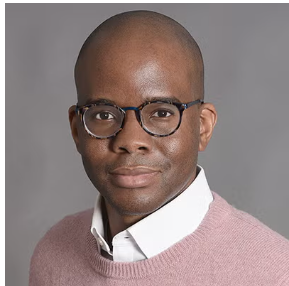
Led by: Tope Folarin
This workshop focuses on the role of storytelling during times of global crisis, using the pandemic as a case study. Through examples from contemporary novels written during the COVID-19 pandemic, students will explore how authors grappled with themes of loss, isolation, and resilience. Participants will engage in a creative exercise to reflect on their own pandemic experiences and consider how such moments shape narratives. The session will conclude with a discussion of how storytelling helps to process collective trauma and create meaning in medicine and beyond.
Global pandemics, syndemics and history
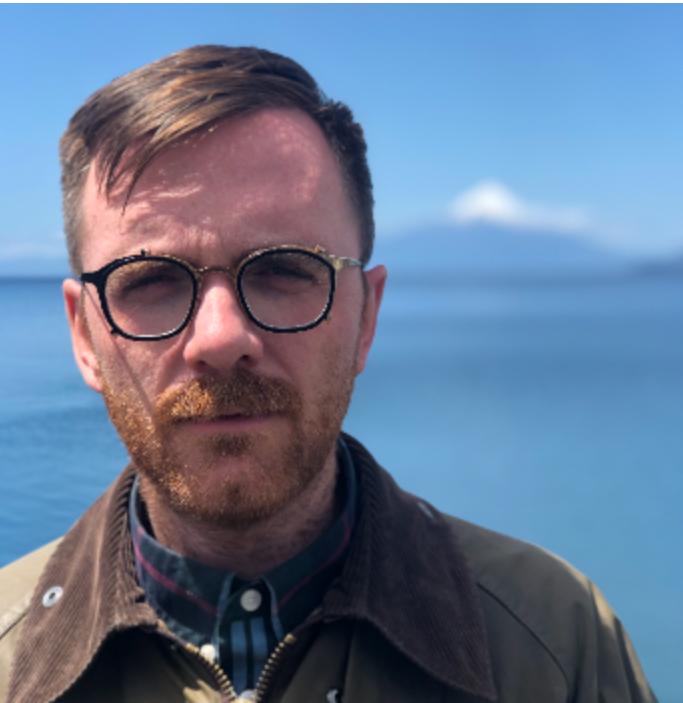
Led by: Dr. Timothy Newfield
This workshop introduces students to significant historical pandemics in global history. After briefly discussing ancient and modern examples, the focus sets on the fourteenth-century plague and twentieth-century influenza pandemics, the two outbreaks frequently resurrected in COVID-19 contexts. A state of the art is presented of both. Particular attention is paid to recent developments in the natural sciences relevant to the history of these pandemics and to why these outbreaks matter today. How history is already shaping the next pandemic is discussed in closing.
AI and ethics; digital ethics and health; disability ethics


Led by: Dr. Joel de Lara and Dr. Joel Michael Reynolds
In this workshop, students will be provided an overview of the causes of, and the reparative justice measures needed to respond to, disability health disparities. The workshop will also explore the use of AI diagnostic tools in healthcare and the implications for disability health disparities. Conceptually, the workshop focuses on how to address ableism—the biased assumption that able-bodied experiences are inherently superior to disabled experiences—and its impacts on health disparities. Students will be introduced to the major theories of disability and how they invite us to respond to ableist bias, as well as the main ways in which bias impacts the design and use of technologies such as AI diagnostic tools. We will discuss real examples of health disparities stemming from ableism. Finally, students will be tasked with responsibly navigating the ethical challenges posed by introducing a novel AI ultrasound technology and its implications for birthing people and people with disabilities.
The Art of Care Initiative: Embodied Performance, Empathic Listening, and Narratives of Care

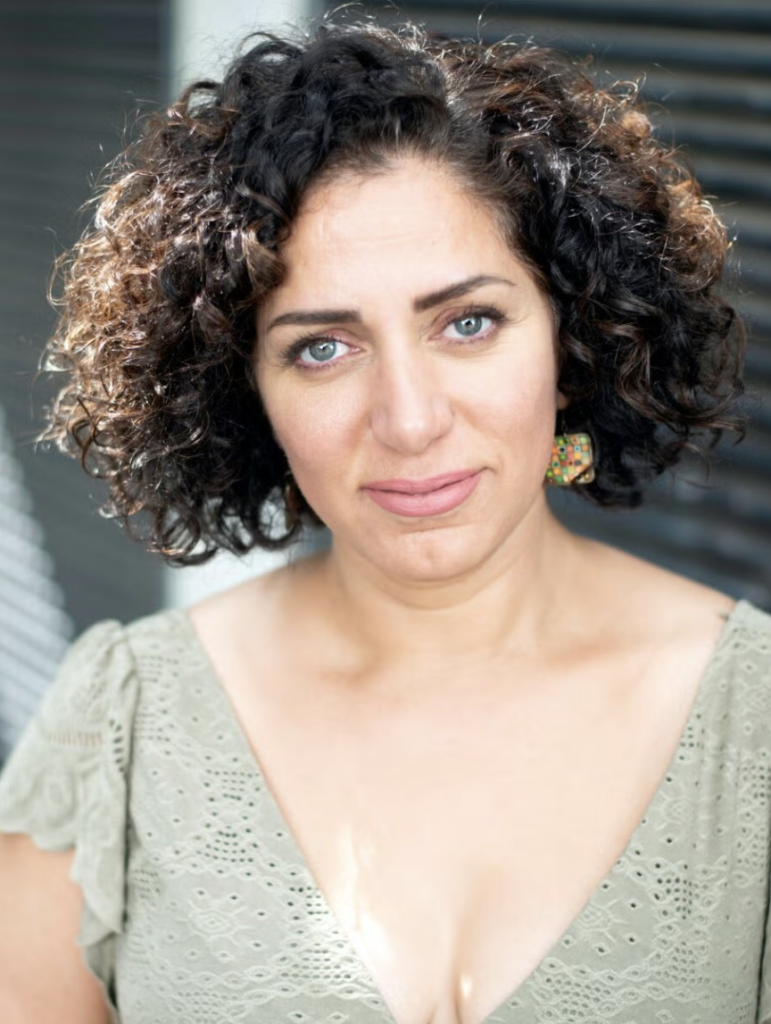
Led by: Dr. Derek Goldman and Raghad Makhlouf
This workshop introduces students to The Art of Care Initiative, a performance-based approach developed through the Laboratory for Global Performance and Politics that explores care as a lived, relational, and ethical practice. The session draws directly on material from The Art of Care stage production and related projects, featuring short embodied narratives created from interviews with patients, family caregivers, and healthcare workers responding to questions such as: What does care mean to you? When have you felt truly cared for—or unseen? Students engage these examples alongside participatory exercises drawn from In Your Shoes, a practice developed at The Lab and used extensively in educational, healthcare, and civic contexts to cultivate deep listening, empathy, and humility. In In Your Shoes™, participants conduct paired conversations, transcribe one another’s words, and perform those words aloud, emphasizing accuracy, responsibility, and attention to another’s lived experience. Through guided activities, students activate their own stories of care while examining how meaning, vulnerability, and power circulate in human encounters. The workshop connects these embodied practices to clinical contexts including patient interviews, team communication, and uncertainty in care, concluding with reflection on how performance-based approaches can foster connection, cultural humility, and patient-centered medical practice.
Healthcare advocacy & activism: ethics, history, and personal implications

Led by: Dr. Sneha Daya
In this workshop, students learn some of the most impactful historical moments that have shaped advocacy and activism in medical care and beyond. Students will compare advocacy and activism and see examples of the dynamic and synergistic relationship between the two in catalyzing change. They will identify skills necessary for effective activism, then take some time for self-reflection and exploration of their future positionally, context, and vision of advocacy and activism in their own personal and professional journeys.