2025-2026 Medical Humanities Research Fellows

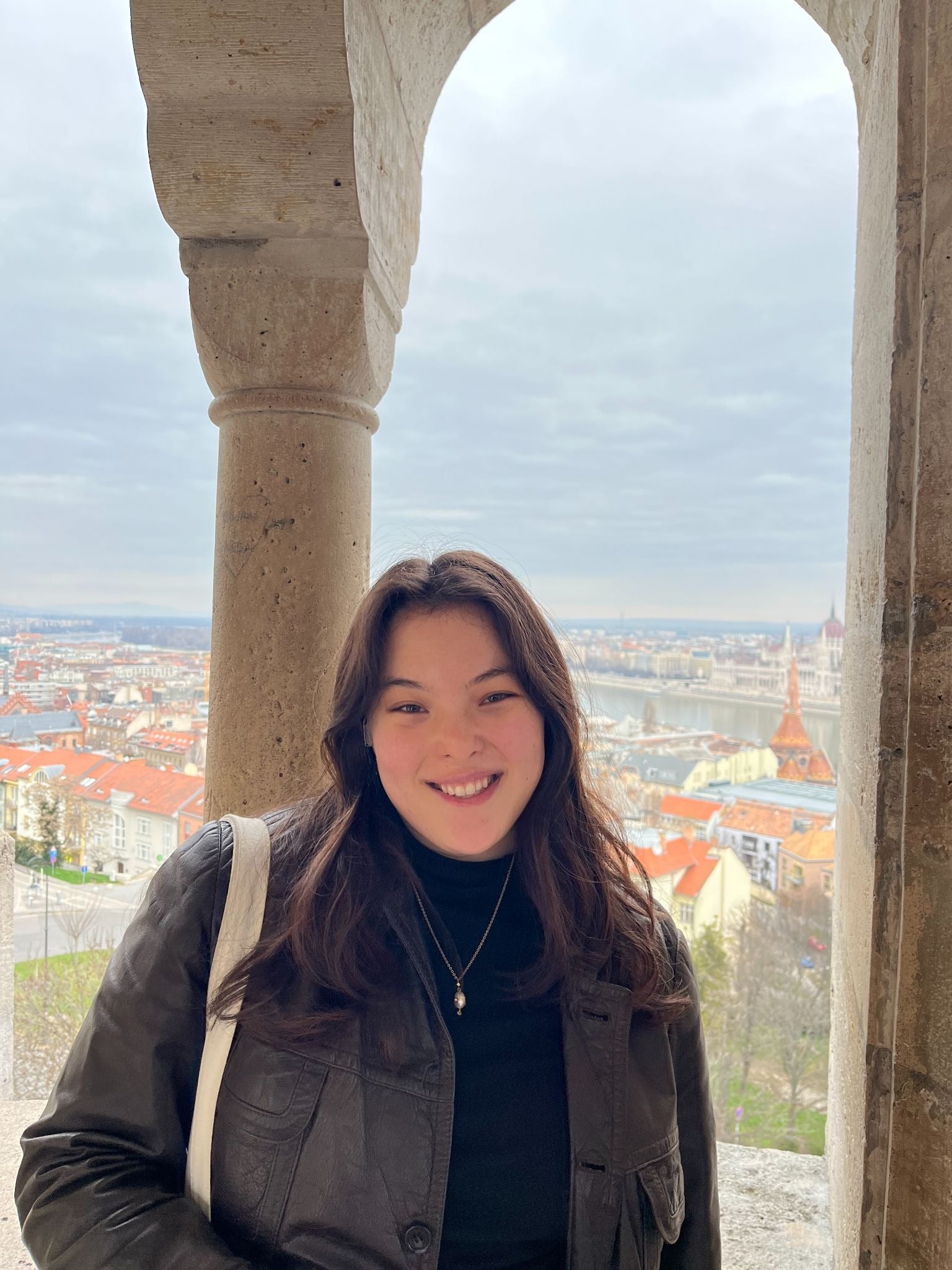
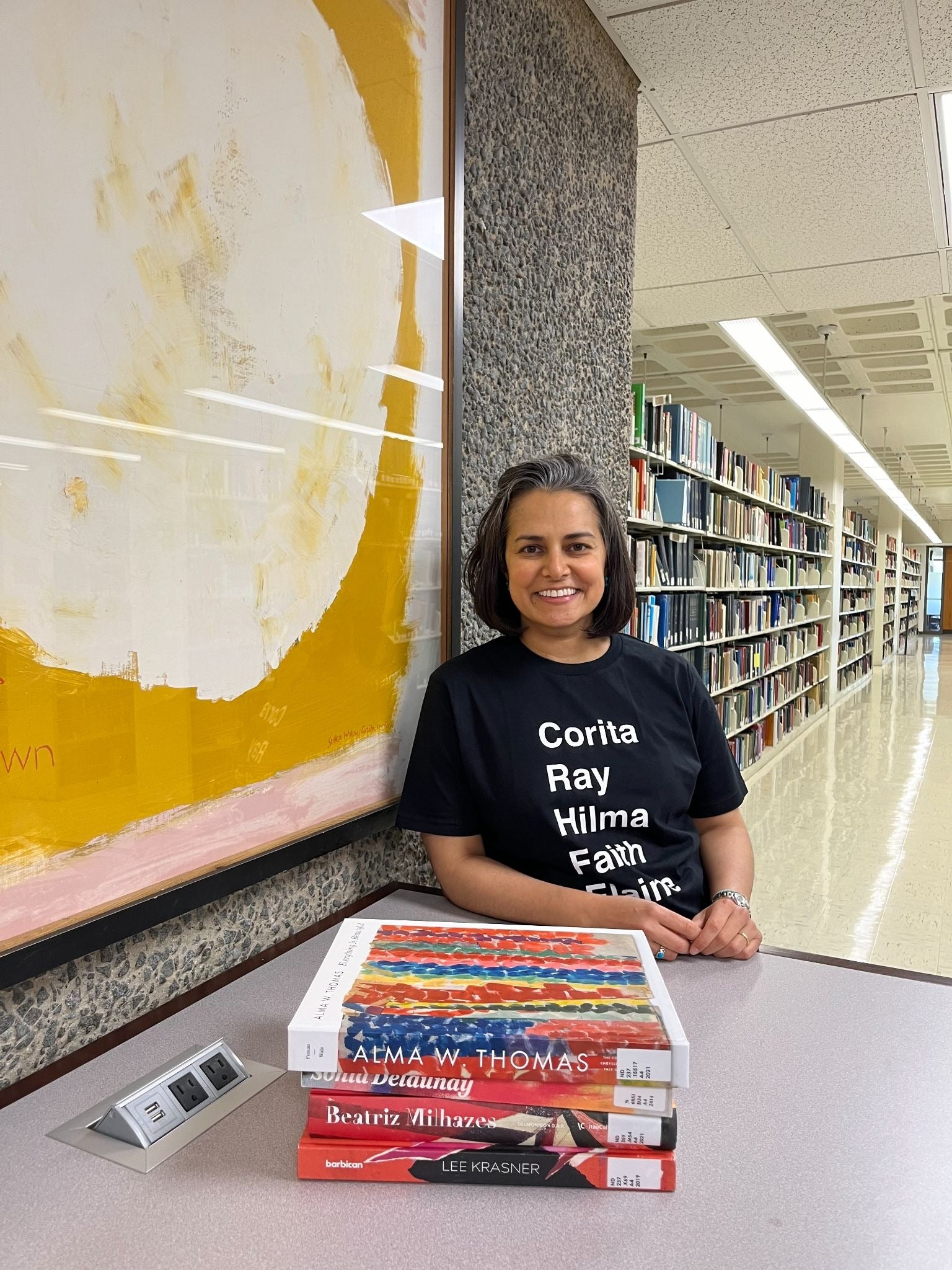
Anjelika Deogirikar Grossman (MA)

Measuring the Impact of Meditative Watercolor at Georgetown Lombardi Arts & Humanities Program at MedStar Georgetown University Hospital

Personal Bio: Anjelika Deogirikar Grossman (MPP ’14) is a Washington, DC educator, artist, and researcher. A grantee of the DC Commission on the Arts and Humanities’ Fellowship, Anjelika is an artist-in-residence at Georgetown Lombardi Arts and Humanities Program at MedStar Georgetown University Hospital. Currently, she has two Research Fellowships through the Gender+ Justice Initiative, and Medical Humanities. Through her public humanities practice, she explores ways to understand how creativity is an asset for individuals and communities. Anjelika Deogirikar Grossman will graduate with a Masters of Arts in the Engaged and Public Humanities in May 2026


Project Description: While art and culture have long been considered a critical asset to fostering community and a source of personal agency for individuals, there remains an opportunity to research the impact of arts and culture and civic engagement more broadly because data and evidence of the impact is scarce. Through the Medical Humanities Research Fellowship, we are expanding on the prototype assessment developed in 2024 to better understand the impact of the Georgetown Lombardi Arts & Humanities Program. The hypothesis is that participating in a 1-hour virtual art class increases participants’ connection to the community, as well as increase their sense of personal agency and creativity.
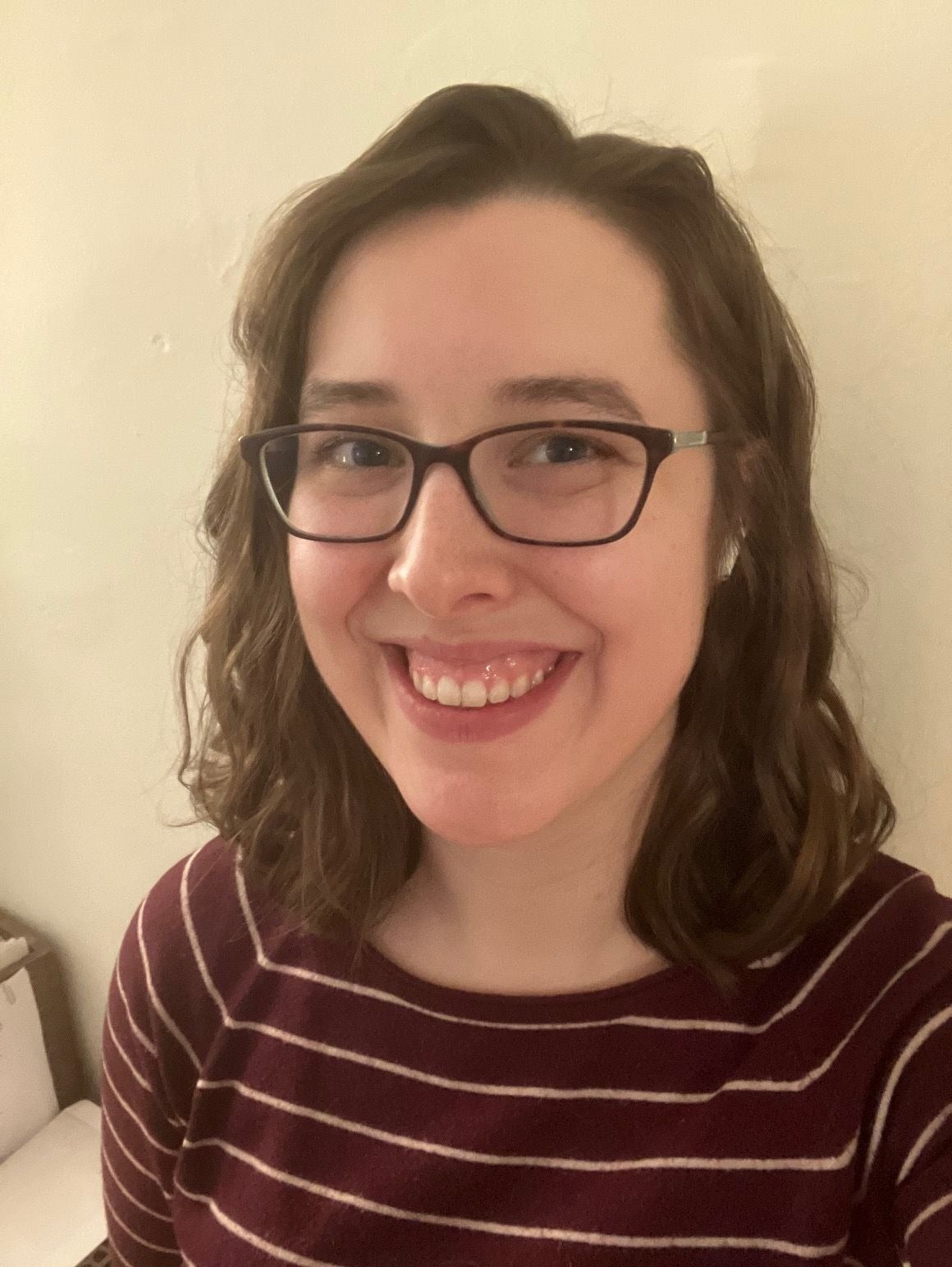
Rachel Singer (PhD Candidate)

The Diseased Landscapes of Early Britain and Ireland: Environment, Infectious Disease, and Society in the First Millennium, CE

Personal Bio: I am a PhD candidate at Georgetown studying the climate, disease, and gender history of premodern Europe.

Project Description: This project draws upon paleogenomes, archaeological remains, and textual evidence to argue that infectious disease was an essential component of the history of first-millennium Britain and Ireland with significant social and environmental interplays.

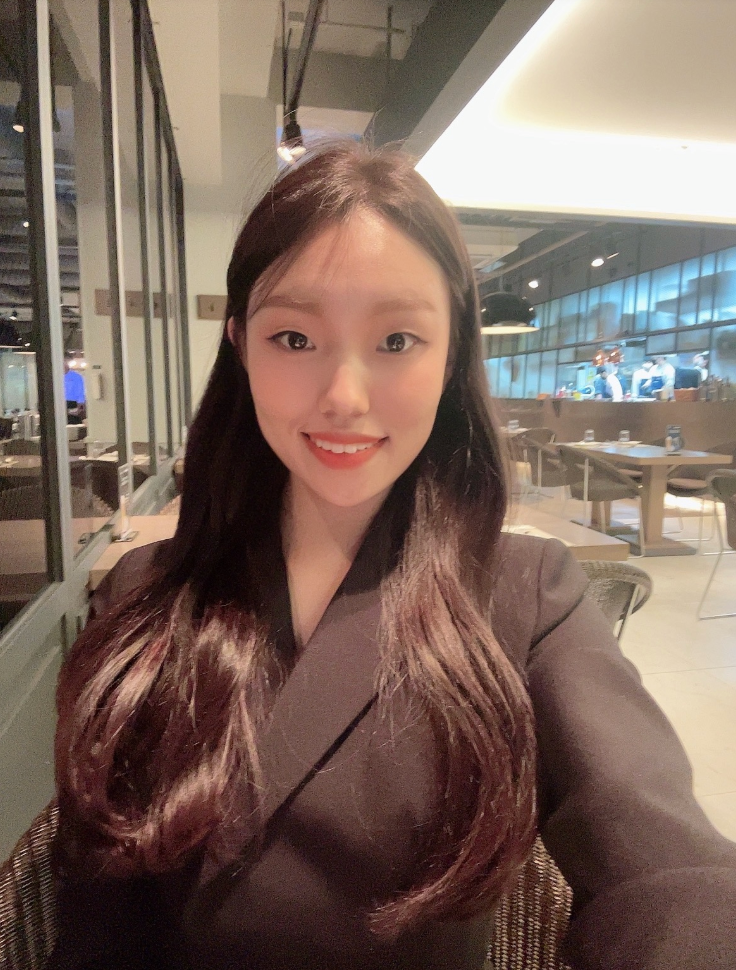
Seyoung Kim (MA Candidate)

Mapping Hookworm: Narratives of Stigma, Disease, and Eradication Efforts in the American South

Personal Bio: Seyoung Kim grew up in Seoul, Korea, and graduated summa cum laude from Ewha Womans University with a B.A. in English Language and Literature. She is currently a second-year M.A. student in English at Georgetown University and a Fulbright Scholar, with research interests including the intersection of literature and medicine, medical humanities, digital humanities, and migration studies.

Project Description: My project examines representations of hookworm disease in literature set in the American South as a part of my M.A. thesis. Supplementing the written work, it presents an interactive digital story map that visually showcases works across multiple genres and texts to raise awareness of the stigmatizing experiences associated with hookworm disease.

Maya Dawson (MA Candidate)

Seeing Mothers: The Ethics and Equity of AI-Powered Ultrasound in Maternal Health

Personal Bio: I am a Master’s candidate in Global Health at Georgetown University. I am originally from Atlanta, Georgia, and completed my undergraduate studies at Howard University. My work focuses on the intersection of technology, ethics, and maternal health, with a particular interest in how pregnancy and childbirth are experienced across different cultural and health system contexts. I recently completed field-based research in the Philippines and have worked in both U.S. and international clinical environments.

Project Description: This project explores how artificial intelligence powered ultrasound technologies are reshaping maternal health care in low and middle income countries. Drawing from medical anthropology, narrative medicine, and global health ethics, it examines how AI assisted imaging influences patient provider relationships and raises ethical questions around data bias, reproductive autonomy, and equity. Using comparative case studies in the Philippines, India, and Zambia, the project considers how these technologies are interpreted and experienced across different cultural and clinical contexts.

Anisha Kumar (CAS ’26)

Exploring Ayurvedic Childbirth in Ancient India Via Short Story

Personal Bio: Authors and readers can explore situations and systems that differ from their own lived experiences through storytelling in a way that allows you to learn more about yourself and the medical systems you experience. Through this story, I will explore themes that remain constant between ancient Indian childbirth and contemporary Western childbirth, as well as ways we can learn from the medical system of another culture and time.

Project Description: This research explores the childbirth practices of ancient India, specifically of Ayurvedic medicine, through the study of primary and secondary documents detailing rituals and medical practices surrounding pregnancy, birth, and complications. The final project will be a short story from the point of view of a young midwife, whose own birth had resulted in the loss of her mother through complications associated with a breech birth. The midwife forms a friendship with a woman experiencing a breech birth and grapples with the knowledge of what happened to her mother and the possibility that she might not be able to save her.

Eesha Balar (MD Candidate)

How Do Physicians and ChatGPT Communicate About Medical Errors? A Linguistic Analysis of Uncertainty Expression

Personal Bio: Eesha Balar is a third-year medical student at Georgetown University School of Medicine with research interests in medical humanities, patient safety innovation, and artificial intelligence. After studying anthropology and the “illness experience” in college, and now on clinical rotations, she is curious about how language in medical communication shapes understanding and professional practice. With her project, she hopes to uncover the meaning of language in tools like generative AI that are being increasingly utilized in healthcare and patient education.

Project Description: When analyzing medical errors retrospectively, clinicians must balance epistemic humility about “what could have been” with clarity about established standards. This computational linguistics project compares how physicians versus ChatGPT express uncertainty in patient safety commentaries from the WebM&M database. Our framework analyzes hedging versus certainty expressions in matched physician and AI-generated error analyses. Preliminary findings suggest ChatGPT communicates with significantly greater certainty than physicians, an interesting pattern given that error causation is inherently complex and multifactorial and thus, requires appropriate hedging. As physicians rely more and more on AI for clinical reasoning, we hope to understand how LLMs communicate about medical errors and thereby impact patient safety.

Harnoor Sachar (SFS’ 26)

Cinematic and Institutional Narratives of Motherhood in India

Personal Bio: Hi! My name is Harnoor Sachar, and I am a fourth-year undergraduate student at Georgetown University, studying Foreign Service and Global Health. I aspire to become a physician who works at the intersection of global health and policy. I am especially interested in primary care and infectious disease, specifically in underserved populations across the world. Through my medical anthropology and STIA classes at Georgetown, I have developed a passion for film and art as a tool for expression and representation of culture, especially regarding medical topics. I also work as an EMT and conduct research, and in my free time, I enjoy running and watching Bollywood movies!

Project Description: This project examines how motherhood and childbirth are represented across both Bollywood cinema and maternal health policy in India, with a focus on how each constructs motherhood as a moral responsibility rather than a medical experience. By analyzing three films, Mother India, Arth, and Good Newwz, spannning over time, alongside a small selection of public health campaigns (e.g., government maternal health initiatives), the project explores how visual and narrative techniques shape expectations of women’s bodies, care, and sacrifice. Through close reading of key scenes and campaign imagery, this study highlights how both cinematic and institutional narratives emphasize maternal duty while often obscuring structural barriers to healthcare access. Rather than conducting a large-scale comparative or reception analysis, the project focuses on a small number of carefully selected examples to offer a focused, interdisciplinary analysis at the intersection of medical humanities, gender, and global health.

Montserrat García Rodenas

Montserrat García Rodenas

Healing through Harmony: Classical Music Engagement for Understanding and Promoting Wellbeing

Personal Bio: Jordan is a senior in the College of Arts & Sciences from New Jersey majoring in Anthropology with minors in Music and Public Health. On campus, she serves as principal trombone of the Georgetown University Orchestra, president of Georgetown University Students for Health and Medical Equity (GUSHME), and a Peer Advisor for transfer students in the College of Arts & Sciences. In her free time, she can be found wandering through museums, trying restaurants across DC, and engrossed in crossword puzzles.

Personal Description: Healing Through Harmony: Classical Music Engagement for Understanding and Promoting Wellbeing” examines how participating in music (either through listening or performing) is able to promote wellbeing by increased social connection with others and facilitating community engagement, among other benefits. Approaching this research from the field of medical ethnomusicology (the nexus of culture, health, and music) enabled me to understand how music (and the arts) affects our health and wellbeing from a more holistic, human-centered view. By conducting qualitative interviews and extensive observation, as well as documenting autoethnographic experiences from my lived identity as a trombonist, this research shows that music is essential to living out happier and healthier lives. More broadly, this research broadens the potential for further arts and health integration in the future, and to view the arts as a multidimensional practice: a cultural cornerstone, creative outlets, and now, a public health intervention.